New AI-Powered Contract Obligation Tracking Aims to Cut Busywork for Small Firms
Streamline contract management with new AI-powered obligation tracking that cuts busywork, reduces risk, and frees small firms to focus on real growth.
New AI-Powered Contract Obligation Tracking Aims to Cut Busywork for Small Firms
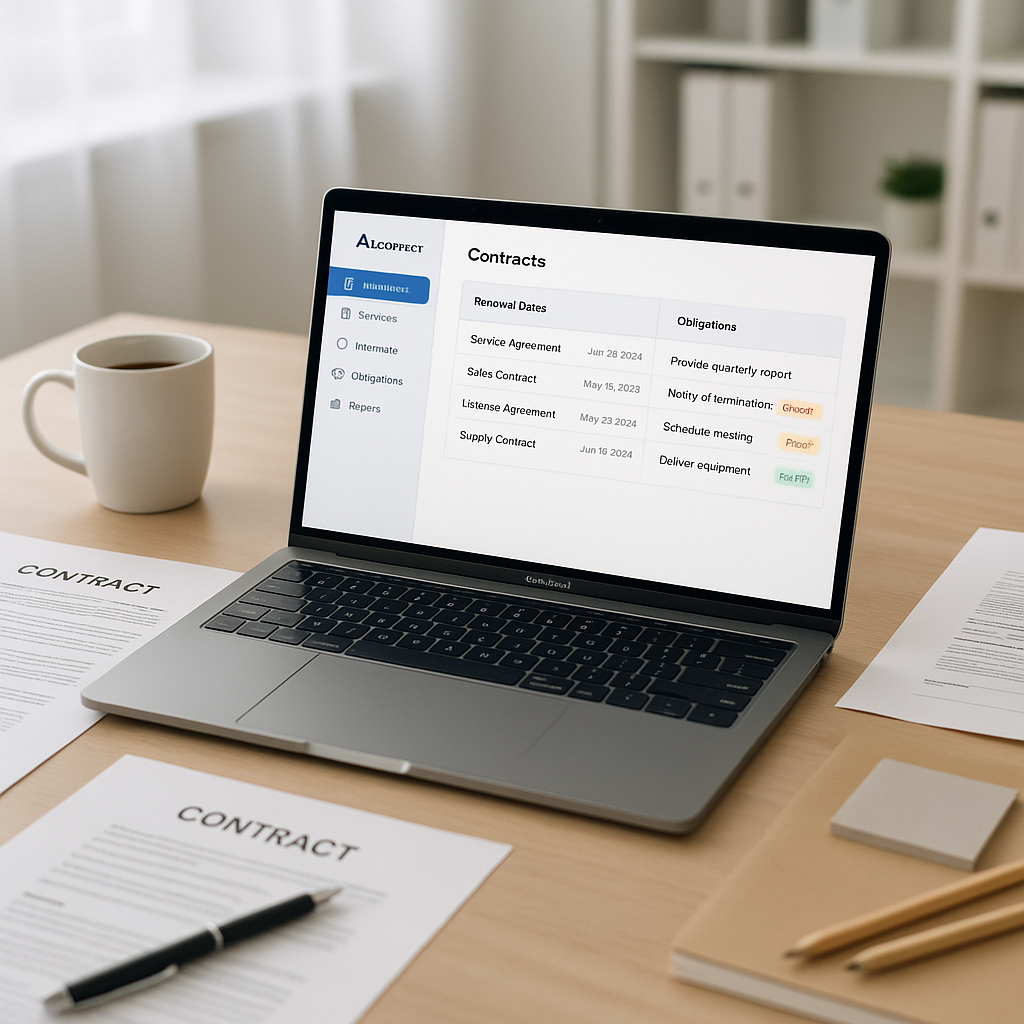
Artificial intelligence is quietly taking over one of the most tedious jobs in business operations: keeping track of what’s buried in your contracts. A new wave of AI-powered obligation management features, now rolling out in leading contract management platforms, promises to automatically extract and track key commitments—like renewal dates, SLAs, compliance requirements, and payment milestones—directly from contracts. For small firms, freelancers, and independent professionals drowning in PDFs and email attachments, this shift could mean fewer missed deadlines and far less administrative busywork.
Why AI Obligation Tracking Matters for Small Businesses
Small businesses and solo professionals rely heavily on contracts—client agreements, vendor arrangements, NDAs, maintenance contracts, retainers, and more. But few have a dedicated legal or operations team to manage the ongoing obligations those documents create. Renewal clauses hide on page 12, price escalation terms sit in fine print, and service-level guarantees are scattered across annexes. Monitoring everything manually is time-consuming and error-prone.
Surveys show that small and midsize businesses are rapidly embracing AI to claw back time from repetitive tasks. One recent SMB-focused report found that roughly half of small businesses in the U.S. are now using AI in some part of their operations, up sharply from just a few years ago, and a strong majority report improved productivity and reduced manual analysis as a direct result. (compassapp.ai)
For small firms, the real promise of AI in contract management isn’t flashy analytics—it’s making sure critical obligations don’t slip through the cracks because someone missed a line in a PDF.
Missed renewals can lock a company into another year of a tool they no longer need. Overlooked payment milestones can delay cash flow or trigger penalties. Failing to meet SLAs and compliance clauses can strain client relationships or even invite legal risk. AI-powered obligation tracking is designed to act as a safety net for all of this—without requiring a lawyer on staff.
What’s New: AI That Actually Reads Your Contracts
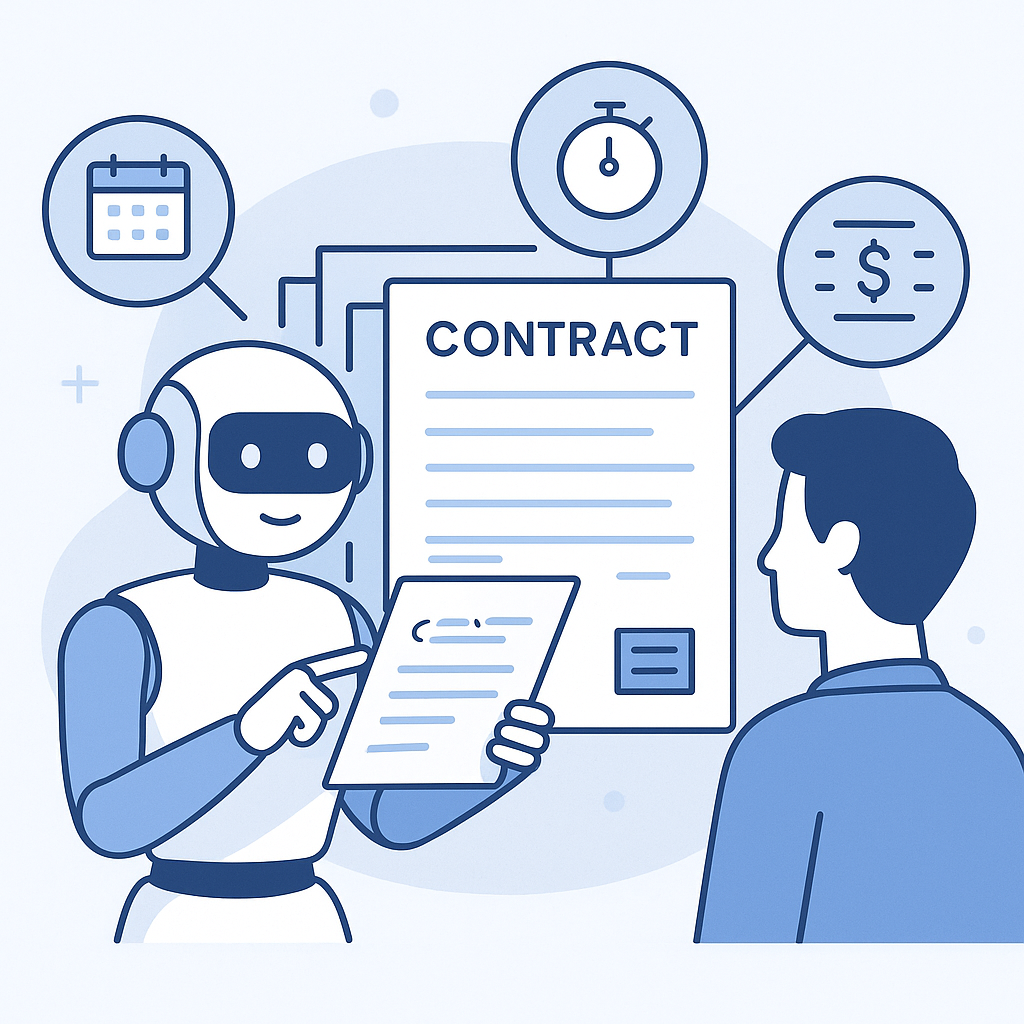
The latest update from a major contract management platform is part of a broader trend: using AI document analysis to read contracts the way a paralegal might, then structuring what it finds into trackable data. Instead of simply storing signed PDFs, these tools now aim to understand them.
Under the hood, this new generation of obligation management typically does three things:
- Automatic clause detection: The AI scans uploaded contracts to find key provisions—renewal dates, termination windows, SLAs, confidentiality, data protection, payment terms, late fees, and more—using models trained specifically on legal language. Recent research in legal NLP has shown that adapting large language models to contract provisions significantly improves accuracy over generic text models. (arxiv.org)
- Obligation extraction and normalization: The system converts what it finds into structured fields, such as “Contract End Date,” “Renewal Notice Deadline (30 days prior),” “Payment Milestone #2 (50% on delivery),” or “Support Response Time (4 hours).” Experimental work on transforming contracts into structured graphs suggests this kind of extraction can reveal relationships and dependencies that are hard to spot in linear text. (arxiv.org)
- Ongoing tracking and reminders: Once obligations are captured, they can be synced with dashboards, calend
ars, and email reminders. That allows businesses to see upcoming renewals, deadlines, and compliance tasks at a glance.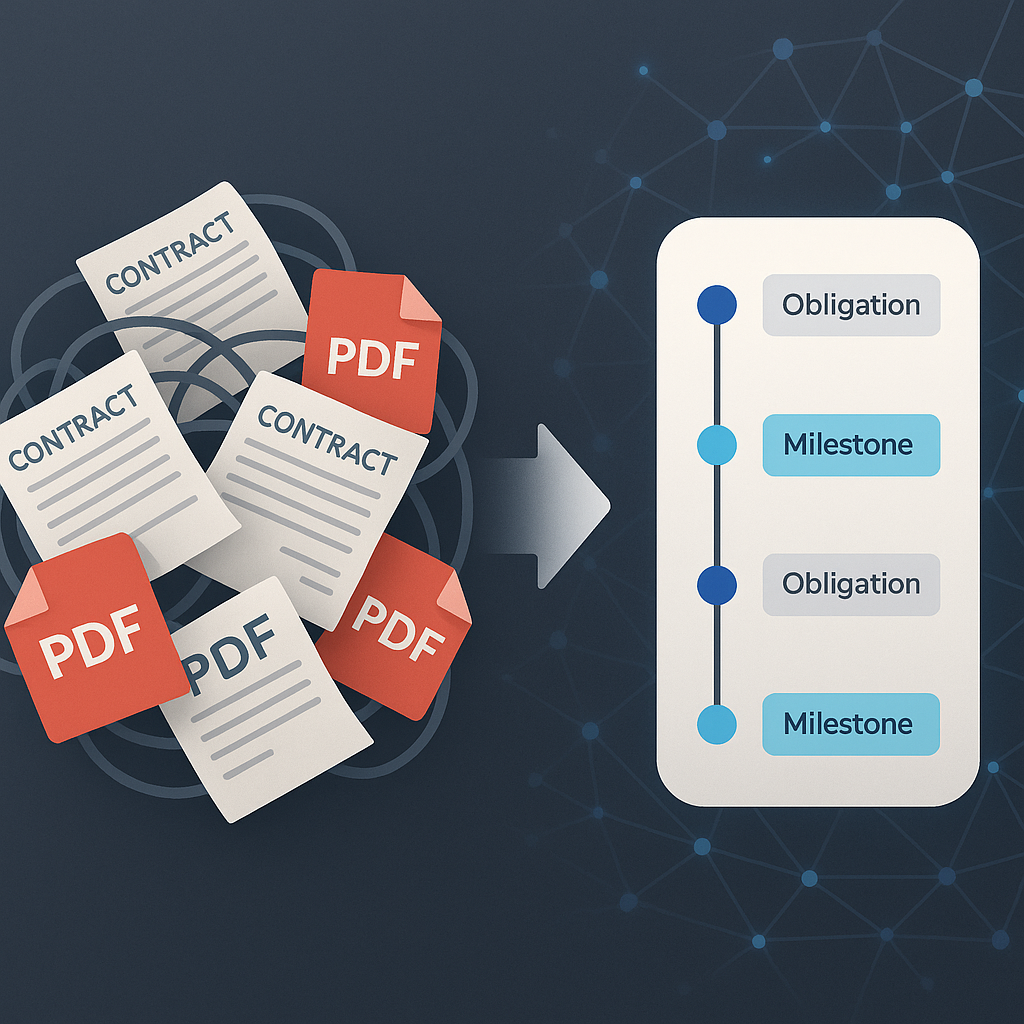
For solo professionals or small teams, this can replicate the function of an internal contract administrator—without adding headcount.
The Small Business Angle: Fewer Spreadsheets, Less Risk
Enterprise legal departments have been experimenting with AI contract analysis for years. What’s different now is that these capabilities are finally filtering down into tools accessible to small businesses—often bundled into existing subscription plans instead of sold as expensive add-ons.
Recent small-business-focused surveys show why this matters. In one 2024 report, nearly two-thirds of U.S. SMBs said they are leveraging AI tools specifically to stay competitive, and more than half credited AI with improving their business success by boosting productivity and decision-making. (sage.com) When the same logic is applied to contracts, the benefits are straightforward:
- Time savings: No more manually copying dates and clauses into spreadsheets or calendar events.
- Fewer surprises: Automatic renewal alerts reduce the risk of being auto-renewed into tools or services you meant to renegotiate or cancel.
- Stronger client relationships: Consistently meeting SLAs and deliverable deadlines helps maintain trust.
- Better cash flow: Clearly surfaced payment milestones—especially for project-based work—help prevent missed invoices and revenue leakage.
The combination of e-signatures and AI-powered obligation tracking turns contracts from static PDFs into living workflows that small teams can actually manage.
Where E‑Signature and Contract Management Converge
This evolution is happening against the backdrop of a rapidly expanding e-signature and digital agreement market. Analysts estimate that the global e-signature market was around $2.5 billion in 2024 and is on track to grow at more than 27% annually through 2034, driven by digital onboarding, regulatory compliance, and the shift away from paper-based processes. (globalgrowthinsights.com)
For small businesses, the practical implication is that e-signature is no longer just about collecting a digital autograph. It’s becoming the front door to a larger workflow that includes:
- Drafting contracts and NDAs
- Sending them to clients or partners for signature
- Tracking status and approvals
- Extracting obligations post-signature
- Monitoring deadlines and renewals across the contract lifecycle
This full lifecycle view is especially valuable when teams are small and everyone wears multiple hats. Instead of juggling separate tools for document creation, signing, storage, and reminder tracking, many small firms are looking for consolidated, affordable platforms that tie everything together.
How QuickSign Fits Into the New AI Contract Landscape
While some obligation-tracking rollouts are coming from enterprise-oriented contract management vendors, small firms often find those platforms complex and expensive. Unlike enterprise-focused solutions with per-seat pricing and steep learning curves, QuickSign is built for small businesses, freelancers, and independent professionals who need modern contract workflows without enterprise overhead.
Several aspects of QuickSign align closely with this AI-driven shift:
- AI Document Generation: Before you can track obligations, you need well-structured contracts. QuickSign’s AI document generation can create contracts, service agreements, and NDAs with clear clauses for renewals, SLAs, and payment milestones—making it easier for any AI system (or human) to interpret obligations later.
- Effortless sending and signing: The workflow is simple: upload a PDF, drag and drop signature and form fields, and send. That reduces friction at the signing stage, which is often where small teams get bogged down.
- Real-time tracking: Built-in status tracking lets you see when documents are viewed, signed, or stalled—key context when obligations are time-sensitive.
- Accessible pricing: Instead of per-seat licenses, QuickSign offers flat-rate pricing of $15/month for the whole team, with a free tier that includes 2 AI-generated documents and 1 document send to unlimited recipients. That makes AI-enhanced contract workflows attainable even for solo consultants and micro-agencies.
As AI obligation tracking becomes more common in the industry, having contracts created and signed through a modern platform like QuickSign positions small businesses to take advantage of these capabilities—whether natively or via integrations—without having to rip and replace their existing workflows.
Practical Takeaways: Making AI Obligation Tracking Work for You
For business owners and independent professionals, the arrival of AI-powered obligation tracking raises an obvious question: what can you do now to benefit from it, even if you’re not ready for a full-blown contract management overhaul?
1. Standardize Your Contract Templates
The more consistent your contracts are, the easier it is for AI—and humans—to spot key obligations. Using AI document generation in tools like QuickSign to create standard agreements with clear headings (e.g., “Term and Termination,” “Payment Terms,” “Service Levels”) will increase the accuracy of any automated extraction.
2. Centralize Signed Agreements
AI tools work best when they can see everything. If your contracts are scattered across inboxes, personal cloud drives, and shared folders, consider consolidating them into a single system associated with your e-signature tool. That creates a clean dataset for any present or future AI-driven obligation tracker.
3. Start With High-Impact Obligations
You don’t need to automate everything at once. Focus first on obligations that pose the biggest risk or opportunity:
- Auto-renewing software and service contracts
- Large client retainers or project-based payment milestones
- SLAs that affect key customers
- Compliance-related obligations (data protection, audit rights, etc.)
Even a simple system that flags upcoming renewals and major milestones can deliver immediate value.
4. Keep a Human in the Loop
AI can misinterpret complex legal language, especially in older or heavily negotiated contracts. Treat AI obligation tracking as a first pass, not a final answer. For high-value or high-risk agreements, have a human review what the system extracted and adjust as needed.
5. Watch Pricing Models Carefully
As more vendors add AI features, many are also experimenting with premium pricing tiers or per-user AI surcharges. Small firms should look for tools that keep costs predictable. QuickSign’s flat $15/month team pricing and generous free tier stand in contrast to per-seat models that can quickly become unaffordable as your team grows.
What This Means for the Future of Small Business Contracts
The rapid growth of e-signature adoption and AI-powered document analysis suggests a clear trajectory: contracts are moving from static, “sign and forget” documents to dynamic, data-rich assets that actively support business operations. For small firms, the benefits are tangible:
- Less time buried in PDFs and spreadsheets
- Fewer missed deadlines and nasty renewal surprises
- More consistent cash flow through better invoice and milestone tracking
- Improved compliance and client trust
As AI obligation management matures, it’s likely to integrate even more deeply with the tools small businesses already use—CRMs, accounting systems, project management platforms, and of course, e-signature solutions. The businesses that will benefit most are those that start treating their contracts as part of an integrated digital workflow today, rather than a separate legal chore handled “later.”
Looking for an affordable e-signature solution? Try QuickSign for free - no credit card required.